Fashion styling is not just for professionals or influencers—it is a skill anyone can learn at home. Whether you want to look more confident, improve your wardrobe, or simply understand how to mix and match clothes better, learning fashion styling can completely transform the way you present yourself.
In this detailed beginner-friendly guide, we will explore practical fashion styling tips for beginners at home, answer key questions like “How to start fashion styling?”, and explain popular concepts such as the 3-3-3 rule in fashion, the 5-5-5 rule for clothing, and the 7 R’s of fashion.
1. How to Start Fashion Styling?
If you are a beginner, starting fashion styling may feel overwhelming. But the truth is, you only need observation, practice, and creativity.
1.1 Understand Your Body and Comfort Level
The first step is knowing what suits you.
- Identify your body shape
- Notice which outfits make you feel confident
- Choose comfort over trend
1.2 Study Your Existing Wardrobe
Your wardrobe already holds the foundation of your style.
- Separate clothes you wear often
- Identify favorite colors and fits
- Remove clothes you never use
1.3 Start with Basic Outfits
Begin simple before going advanced.
- T-shirts + jeans
- Shirts + trousers
- Hoodies + joggers
1.4 Learn to Mix and Match
Styling is about combinations.
- Try pairing different tops with different bottoms
- Experiment with layering
- Create multiple outfits from fewer clothes
1.5 Observe Fashion Inspiration
Look for ideas:
- Social media fashion pages
- Celebrities and influencers
- Pinterest boards
Save outfits you like and try recreating them.
2. What Is the 3-3-3 Rule in Fashion?
The 3-3-3 rule in fashion is a minimalist wardrobe method that helps beginners create stylish outfits with fewer clothes.
2.1 The Concept
- 3 tops (shirts, t-shirts, blouses)
- 3 bottoms (jeans, trousers, skirts)
- 3 shoes (casual, formal, sporty)
2.2 Why It Works
- Simplifies outfit selection
- Reduces clutter in wardrobe
- Encourages creativity
2.3 Example Styling
With just 9 items, you can create multiple looks:
- Casual: T-shirt + jeans + sneakers
- Formal: Shirt + trousers + loafers
- Relaxed: Hoodie + joggers + slides
3. What Is the 5-5-5 Rule for Clothing?
The 5-5-5 rule for clothing is a more advanced wardrobe strategy for beginners who want variety without overbuying.
3.1 The Concept
- 5 tops
- 5 bottoms
- 5 outerwear pieces (jackets, coats, sweaters)
3.2 Why It Works
- Provides more outfit combinations
- Suitable for all seasons
- Keeps wardrobe balanced and functional
3.3 Example Wardrobe
- Tops: basic tees, formal shirts, printed tops
- Bottoms: jeans, trousers, skirts, joggers
- Outerwear: blazer, denim jacket, hoodie, cardigan, coat
This allows dozens of outfit combinations without excess shopping.
4. What Are the 7 R’s of Fashion?
The 7 R’s of fashion are principles that promote sustainable and smart styling choices.
4.1 The 7 R’s Explained
- Reduce – Buy fewer unnecessary clothes
- Reuse – Wear clothes in multiple ways
- Recycle – Repurpose old clothing
- Repair – Fix damaged clothes instead of discarding them
- Refuse – Avoid fast fashion waste
- Rethink – Plan your wardrobe smartly
- Rotate – Keep changing outfit combinations
4.2 Why They Matter
- Encourages sustainability
- Saves money
- Builds mindful fashion habits
5. Fashion Styling Tips for Beginners at Home
Now let’s explore practical styling tips you can practice at home.
5.1 Start with Basic Wardrobe Essentials
Every beginner should own:
- Plain t-shirts (black, white, neutral colors)
- Well-fitted jeans
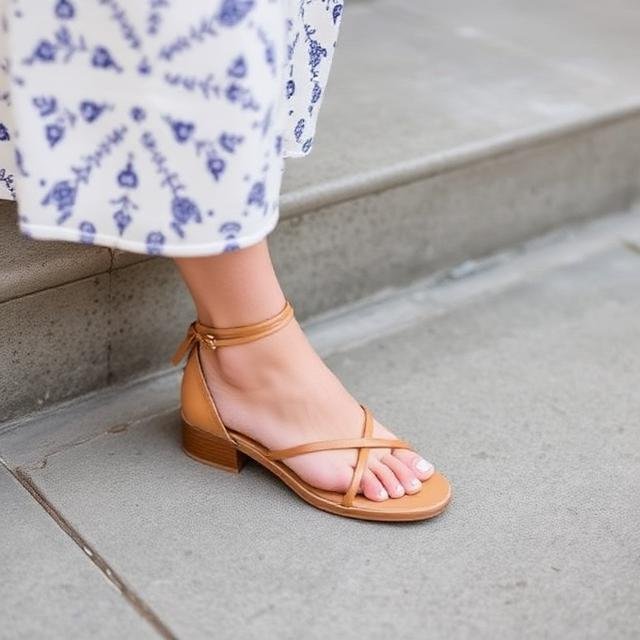
- Comfortable shoes
- A simple jacket
5.2 Focus on Fit, Not Price
- Even cheap clothes look stylish if they fit well
- Avoid overly tight or oversized outfits unless styled intentionally
5.3 Learn Color Coordination
- Stick to 2–3 main colors per outfit
- Neutral colors are easy to mix
- Avoid too many bright colors together
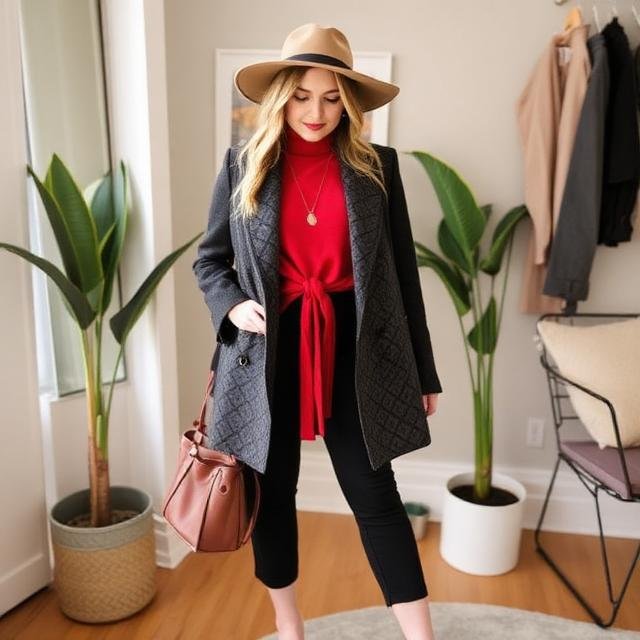
5.4 Practice Layering
Layering adds depth to outfits:
- Shirt under jacket
- T-shirt over full sleeves
- Hoodie with denim jacket
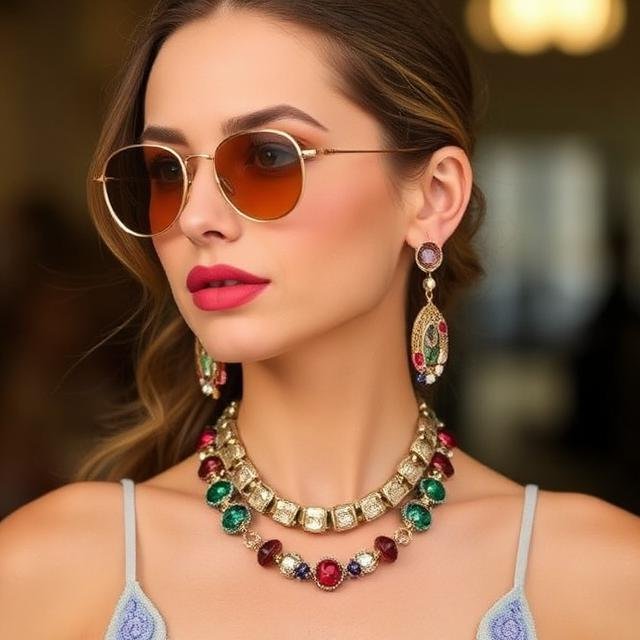
5.5 Accessorize Smartly
Accessories complete your look:
- Watches
- Belts
- Minimal jewelry
- Bags
Keep it simple, not overloaded.
5.6 Take Outfit Photos
- Helps you analyze what works
- Builds confidence
- Helps track your style improvement
6. How to Build Confidence in Fashion Styling
6.1 Wear What Feels Right
Confidence comes from comfort.
6.2 Avoid Copying Blindly
- Take inspiration, but add your personal touch
6.3 Practice Daily Styling
- Try different outfits at home
- Experiment without fear
6.4 Improve Grooming
- Clean clothes
- Neat hairstyle
- Good hygiene
7. Common Beginner Mistakes in Fashion Styling
7.1 Overcomplicating Outfits
Simple outfits often look better than complex ones.
7.2 Following Every Trend
Trends change quickly—your style should be consistent.
7.3 Ignoring Comfort
Uncomfortable clothes reduce confidence.
7.4 Buying Too Many Clothes
More clothes do not mean better style.
8. Easy Styling Practice Routine at Home
8.1 Week 1: Basics
- Try simple outfits
- Understand your wardrobe
8.2 Week 2: Experimentation
- Mix different combinations
- Try layering
8.3 Week 3: Style Building
- Identify your favorite looks
- Build your signature style
Final Thoughts
Fashion styling is a skill that anyone can learn at home with practice, observation, and creativity. You don’t need expensive clothes or professional training—just the right mindset and consistency.
To summarize:
- Learn how to start fashion styling step by step
- Use smart systems like the 3-3-3 rule in fashion and 5-5-5 rule for clothing
- Follow the 7 R’s of fashion for sustainable style
- Focus on fit, simplicity, and confidence
Your personal style is a reflection of who you are. The more you practice, the more natural and confident your styling becomes. Start today, experiment freely, and enjoy your fashion journey at home.