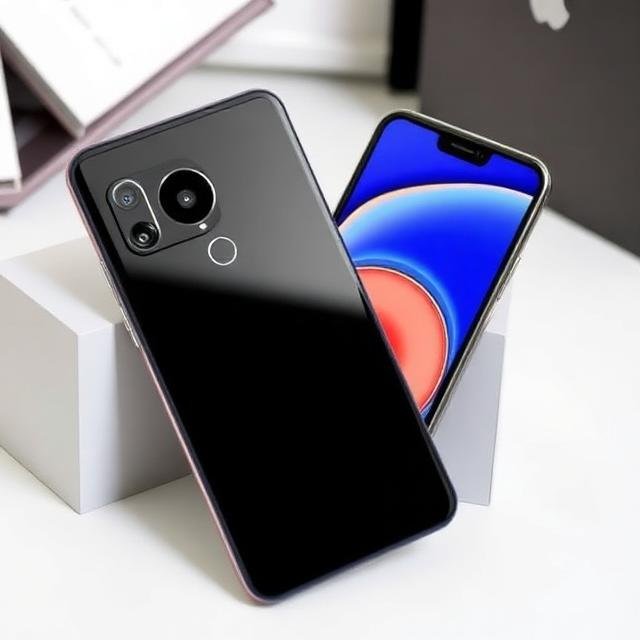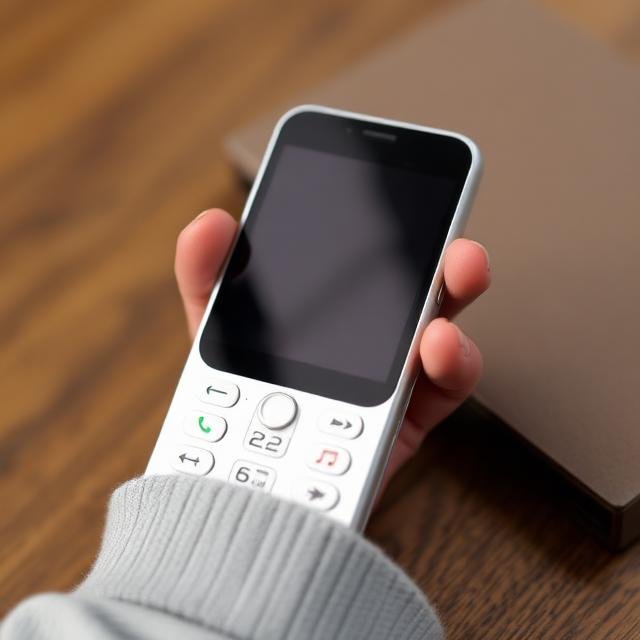
Buying a new smartphone today can feel overwhelming. With dozens of brands, hundreds of models, and endless specifications, it’s easy to get confused or overspend on features you may never use. The truth is, the best mobile phone isn’t the most expensive one—it’s the one that fits your needs perfectly.
In this detailed guide, we’ll break everything down point-by-point and answer key questions like:
- How do you select a mobile device that meets your needs?
- How to choose the best mobile phone?
- What phones will stop working in 2026?
- Why is Gen Z buying dumb phones?
1. Understand Your Needs First (Most Important Step)
Before comparing specs or brands, you need clarity on how you actually use your phone.
Ask yourself:
- Do you use your phone mostly for calls and messaging?
- Are you into gaming or heavy multitasking?
- Do you care about photography or social media content?
- Do you want long battery life or fast charging?
This directly answers:
“How do you select a mobile device that meets your needs?”
✔ User Profiles:
- Basic users → calls, WhatsApp, browsing
- Content creators → camera + video performance
- Gamers → high performance + cooling
- Professionals → battery + productivity tools
Choosing based on usage prevents overspending and regret.
2. Performance: The Heart of Your Smartphone
Performance determines how fast and smooth your phone feels.
What to look for:
- Modern processors (Snapdragon, Dimensity, Tensor)
- At least 6GB–8GB RAM for smooth usage
- 128GB storage minimum
Why it matters:
- Faster app loading
- Better gaming experience
- Smooth multitasking
If you’re a heavy user, performance should be your top priority.
3. Camera: Beyond Megapixels
Many buyers get fooled by high megapixel numbers. But camera quality depends on more than that.
Important factors:
- Image processing software
- Sensor size
- Night photography performance
- Video stabilization
Who should prioritize camera:
- Social media users
- Content creators
- Travelers
A well-optimized camera beats higher megapixels every time.
4. Battery Life and Charging
Battery is one of the most practical aspects of a smartphone.
What to check:
- 4500mAh–5000mAh battery capacity
- Fast charging (at least 25W–50W)
- Battery optimization software
Real-world expectation:
- 1 full day for heavy users
- Up to 2 days for light users
Long battery life reduces daily frustration.
5. Display Quality Matters More Than You Think
Your display is what you interact with all day.
Look for:
- AMOLED or OLED panels
- 90Hz–120Hz refresh rate
- Good brightness (for outdoor use)
Benefits:
- Smoother scrolling
- Better colors
- Improved viewing experience
6. Software and Updates
Software plays a huge role in long-term usability.
Consider:
- Clean UI vs feature-rich UI
- Software update support (3–5 years recommended)
- Security updates
Why it matters:
- Keeps your phone secure
- Improves performance over time
- Adds new features
7. Connectivity and Future-Proofing
A good phone should last several years.
Check for:
- 5G support
- Latest Wi-Fi standards
- Bluetooth updates
This ensures your phone remains relevant for the future.❓ 8. How to Choose the Best Mobile Phone?
To simplify your decision:
✔ Step-by-step approach:
- Identify your usage
- Set your budget
- Prioritize features (camera, battery, performance)
- Compare 2–3 models
- Check reviews and real-world usage
This is the most practical answer to:
“How to choose the best mobile phone?”
9. What Phones Will Stop Working in 2026?
Some older phones may stop functioning properly in 2026 due to:
Reasons:
- End of software updates
- Network changes (shutdown of older networks)
- App compatibility issues
Common cases:
- Phones older than 5–6 years
- Devices without 4G/5G support
- Phones no longer receiving security updates
These phones may still turn on, but:
- Apps may stop working
- Security risks increase
- Performance becomes very slow
If your phone is outdated, upgrading becomes necessary.
10. Why Is Gen Z Buying Dumb Phones?
A surprising trend in 2026 is the rise of “dumb phones” (basic phones with limited features).
Reasons behind this trend:
- Digital detox (less screen time)
- Reduced social media addiction
- Better focus on real life
- Minimal distractions
What this means:
- People are becoming more conscious of tech usage
- Simplicity is becoming attractive
This answers:
“Why is Gen Z buying dumb phones?”
Because they want balance, not constant connectivity.
11. Budget vs Value: Spend Smart
You don’t always need the most expensive phone.
Budget categories:
- Under $300 → basic usage
- $300–$500 → best value
- $500+ → premium experience
Mid-range phones now offer:
- Great performance
- Good cameras
- Long battery life
Always aim for value, not just price.
12. Android vs iPhone: Which One to Choose?
Choose Android if:
- You want customization
- You prefer variety and budget options
- You like flexibility
Choose iPhone if:
- You want long-term updates
- You prefer a simple ecosystem
- You value security and optimization
Both are excellent—it depends on your preference.
13. When Should You Upgrade Your Phone?
Signs you need an upgrade:
- Battery drains quickly
- Apps lag or crash
- No software updates
- Storage is always full
Typically, upgrading every 3–4 years is ideal.
Final Thoughts
Choosing the best mobile phone is not about following trends—it’s about understanding your personal needs and making a smart decision.
Quick Summary:
- How do you select a mobile device that meets your needs?
By identifying your usage and prioritizing key features - How to choose the best mobile phone?
Follow a step-by-step decision process - What phones will stop working in 2026?
Older devices without updates or modern connectivity - Why is Gen Z buying dumb phones?
To reduce digital overload and improve focus
The smartphone you choose should fit your lifestyle, not complicate it. Whether you need performance, camera quality, or simplicity, there’s a perfect phone for you.