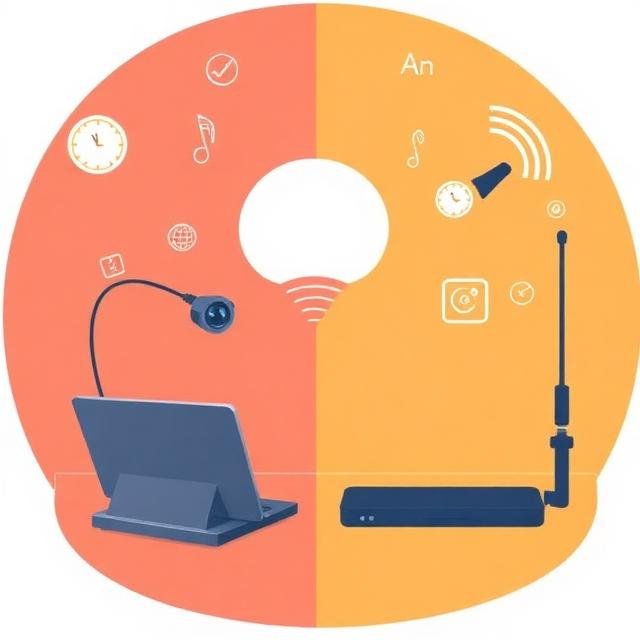
In today’s connected world, internet access is essential for both personal and professional use. However, not all internet connections are the same. Two of the most commonly used types are broadband internet and mobile internet. While both serve the purpose of connecting users to the web, they differ significantly in terms of speed, reliability, cost, and usage.
In this comprehensive guide, we’ll explore the differences between broadband and mobile internet, answer frequently asked questions, and help you decide which option is best for your needs.
What Is Broadband Internet?
Broadband internet refers to a high-speed internet connection that is always on and typically delivered through wired infrastructure such as:
- Fiber optic cables
- DSL (Digital Subscriber Line)
- Cable connections
Broadband is commonly used in homes and offices and is known for its stability and high data capacity.
What Is Mobile Internet?
Mobile internet is a wireless internet service provided through cellular networks like 3G, 4G, and 5G. It allows users to access the internet on smartphones, tablets, and portable devices.
Mobile internet works through mobile towers and is ideal for users who need internet access on the go.
Is Mobile Internet the Same as Broadband?
No, mobile internet is not the same as broadband.
While both provide internet access, they differ in several key ways:
- Technology: Broadband uses wired connections, while mobile internet uses wireless cellular networks
- Speed: Broadband generally offers more consistent and higher speeds
- Usage: Mobile internet is designed for portability, while broadband is designed for fixed locations
In simple terms, broadband is typically more stable and powerful, whereas mobile internet offers flexibility and mobility.
What Is the Difference Between Mobile Network and Broadband Network?
Understanding the network difference helps clarify how these services operate.
Broadband Network:
- Uses physical cables (fiber, DSL, or coaxial)
- Provides a direct connection to homes or offices
- Offers consistent speed and low latency
- Less affected by environmental factors
Mobile Network:
- Uses wireless signals transmitted from cellular towers
- Covers wide geographic areas
- Speed depends on signal strength and network congestion
- Can be affected by weather, obstacles, and distance from towers
Key Difference:
A broadband network is wired and stable, while a mobile network is wireless and flexible.
Speed Comparison: Broadband vs Mobile Internet
Speed is one of the most important factors when choosing an internet connection.
Broadband:
- Typically offers higher and more consistent speeds
- Fiber broadband can reach up to 1 Gbps or more
- Ideal for streaming, gaming, and heavy downloads
Mobile Internet:
- Speeds vary depending on network type (4G vs 5G)
- Can be fast in urban areas but inconsistent in rural locations
- Performance may drop during peak usage times
Verdict:
Broadband is generally faster and more reliable for continuous usage.
Is Broadband Better Than Mobile Internet?
In most cases, yes—broadband is better than mobile internet, especially for heavy or professional use.
Why Broadband Is Better:
- Stable and consistent connection
- Higher data limits (often unlimited)
- Better for multiple users and devices
- Ideal for streaming, gaming, and remote work
When Mobile Internet Is Better:
- When you need internet on the go
- In areas where broadband is not available
- For temporary or backup connectivity
Conclusion:
Broadband is better for performance and reliability, while mobile internet is better for convenience and mobility.
What Is the Disadvantage of Broadband?
Despite its many advantages, broadband does have some drawbacks:
1. Limited Mobility
Broadband connections are fixed to a specific location, making them unsuitable for travel or outdoor use.
2. Installation Requirements
Setting up broadband may require professional installation, wiring, and equipment.
3. Availability Issues
In some rural or remote areas, broadband infrastructure may not be available.
4. Higher Initial Costs
Installation and setup fees can be higher compared to mobile internet.
5. Downtime Risks
Physical cable damage or technical issues can disrupt service.
Advantages of Mobile Internet
Mobile internet also offers several benefits:
1. Portability
You can access the internet anywhere with network coverage.
2. Easy Setup
No installation is required—just insert a SIM card or use a hotspot.
3. Flexible Plans
Users can choose prepaid or postpaid plans based on their needs.
4. Backup Connectivity
Mobile internet can serve as a backup if broadband fails.
Key Differences Between Broadband and Mobile Internet
Here’s a simplified comparison:
| Feature | Broadband Internet | Mobile Internet |
|---|---|---|
| Connection Type | Wired | Wireless |
| Speed | High and consistent | Variable |
| Mobility | Fixed | Portable |
| Data Limits | Usually unlimited | Often limited |
| Reliability | Very reliable | Depends on signal strength |
| Installation | Required | Not required |
| Best Use Case | Home/office use | On-the-go usage |
Use Cases: Which One Should You Choose?
Choose Broadband If:
- You work from home
- You stream videos in high quality
- You have multiple users/devices
- You need stable and fast internet
Choose Mobile Internet If:
- You travel frequently
- You need temporary internet access
- You live in an area without broadband
- You need a backup connection
Can You Use Both Together?
Yes, many users combine both broadband and mobile internet for the best experience.
- Use broadband as your primary connection
- Use mobile internet as a backup or for travel
This ensures uninterrupted connectivity and flexibility.
Future Trends: Broadband vs Mobile Internet
With advancements in technology:
- Fiber broadband is becoming faster and more widely available
- 5G mobile networks are improving speed and reducing latency
- Hybrid solutions (like fixed wireless access) are emerging
While mobile internet is catching up, broadband still leads in consistency and performance.
Final Thoughts
Understanding the differences between broadband and mobile internet is essential for making the right choice.
To answer the key questions:
- Is mobile internet the same as broadband? No, they use different technologies and serve different purposes.
- Is broadband better than mobile internet? Yes, for speed, stability, and heavy usage.
- What is the disadvantage of broadband? Limited mobility and installation requirements.
- What is the difference between mobile network and broadband network? One is wired and stable, the other is wireless and flexible.
Ultimately, the best option depends on your needs. If you prioritize speed and reliability, broadband is the way to go. If you need flexibility and mobility, mobile internet is a great choice.
For many users, a combination of both provides the perfect balance of performance and convenience.