In today’s fast-paced digital world, speed and reliability are everything. From streaming high-definition videos to running cloud-based business operations, the demand for faster internet has never been higher. This is where fiber optic internet stands out as one of the most advanced and efficient technologies available.
But how exactly does it work? In this detailed guide, we’ll break down everything you need to know about fiber optics, including step-by-step explanations and answers to common questions like: How do fiber optics work step by step? Which is faster, 5G or fiber? How exactly does fiber internet work? Which is better, Wi-Fi or fibre?
What Is Fiber Optic Internet?
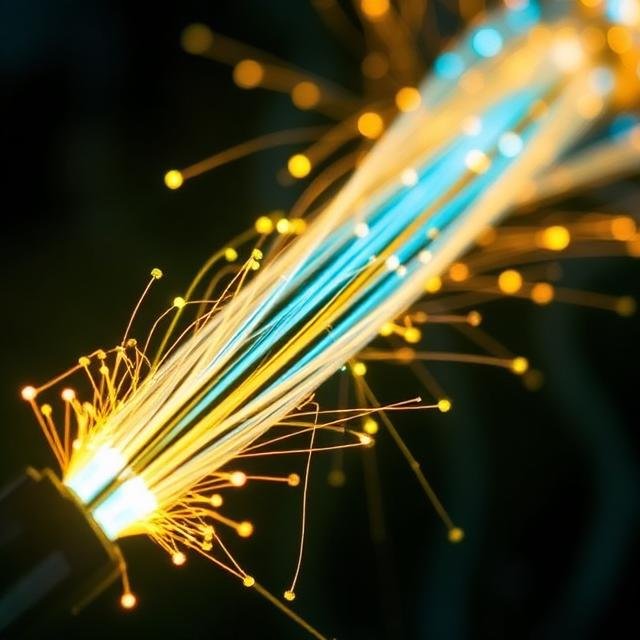
Fiber optic internet is a type of broadband connection that uses thin strands of glass or plastic (called optical fibers) to transmit data as light signals instead of electrical signals.
Unlike traditional copper cables used in DSL or cable internet, fiber optics can carry massive amounts of data at incredibly high speeds with minimal loss. This makes it ideal for modern internet demands.
How Exactly Does Fiber Internet Work?
At its core, fiber internet works by converting data into light signals and transmitting them through fiber optic cables.
Here’s a simple breakdown:
- Your device sends a request (like opening a website)
- The data is converted into light signals
- These light signals travel through fiber optic cables
- The signals reach your Internet Service Provider (ISP)
- The ISP processes the request and sends data back as light signals
- Your modem converts the light signals back into data your device can understand
Because light travels extremely fast and experiences less interference, fiber internet delivers unmatched speed and reliability.
How Do Fiber Optics Work Step by Step?
Let’s go deeper into the process step by step:
1. Data Creation
When you perform an online action—such as clicking a link or sending an email—your device generates digital data in the form of binary code (0s and 1s).
2. Electrical to Light Conversion
This digital data is sent to an Optical Network Terminal (ONT) or modem, which converts electrical signals into light pulses using a laser or LED.
3. Transmission Through Fiber Cables
The light pulses travel through fiber optic cables. These cables are made of a core surrounded by cladding, which reflects light inward using a principle called total internal reflection.
4. Total Internal Reflection
As light travels through the fiber, it continuously bounces off the walls of the cable without escaping, allowing it to travel long distances with minimal signal loss.
5. Data Routing and Switching
The signals pass through network nodes and switches, directing the data toward its destination efficiently.
6. Light to Electrical Conversion
Once the signal reaches its destination (like your home or office), another ONT converts the light signals back into electrical signals.
7. Data Delivery to Device
Finally, the data is delivered to your device, allowing you to view a webpage, stream a video, or download a file.
Key Components of Fiber Optic Internet
Understanding the main components helps clarify how the system works:
- Optical Fiber Cable – Carries light signals
- Optical Network Terminal (ONT) – Converts light signals to electrical signals
- Transmitter (Laser/LED) – Sends light pulses
- Receiver (Photodiode) – Detects light signals
- Router – Distributes internet to devices
Each component plays a crucial role in ensuring fast and reliable connectivity.
Advantages of Fiber Optic Internet
Fiber optic technology offers several major benefits:
1. Ultra-Fast Speeds
Fiber can deliver speeds up to gigabits per second (Gbps), making it ideal for heavy internet users.
2. Low Latency
Data travels with minimal delay, which is essential for gaming, video calls, and real-time applications.
3. High Reliability
Fiber cables are less affected by weather, electromagnetic interference, or physical degradation.
4. Better Bandwidth
Multiple users can connect without slowing down the network.
5. Future-Proof Technology
Fiber infrastructure is designed to support future advancements and increasing data demands.
Which Is Faster, 5G or Fiber?
This is a common question, and the answer depends on context.
Fiber Optic Internet:
- Consistent speeds up to 1 Gbps or higher
- Stable connection with low latency
- Not affected by network congestion
5G Internet:
- High speeds (can reach gigabit levels in ideal conditions)
- Wireless and flexible
- Speed can vary depending on location, obstacles, and network traffic
Conclusion:
While 5G is impressive, fiber is generally faster, more stable, and more reliable, especially for businesses and heavy users. Fiber offers consistent performance, whereas 5G speeds can fluctuate.
Which Is Better, Wi-Fi or Fibre?
This question often causes confusion because Wi-Fi and fiber serve different roles.
Fiber:
- A type of internet connection (wired infrastructure)
- Delivers high-speed internet to your home or office
Wi-Fi:
- A wireless method of distributing internet within a space
- Depends on the quality of your internet connection
Comparison:
- Fiber provides the source of fast internet
- Wi-Fi distributes that internet to your devices
Conclusion:
It’s not about which is better—they work together. The best setup is fiber internet combined with a strong Wi-Fi router to ensure fast and seamless connectivity throughout your space.
Fiber vs Traditional Internet Technologies
Fiber vs DSL
- Fiber is significantly faster and more reliable
- DSL uses older copper lines and has limited speed
Fiber vs Cable
- Fiber offers symmetrical speeds (equal upload/download)
- Cable speeds can slow down during peak usage
Fiber vs Satellite
- Fiber has lower latency and better reliability
- Satellite suffers from delays and weather interference
Real-World Applications of Fiber Internet
Fiber optic internet powers many modern technologies:
- Video streaming platforms (HD and 4K content)
- Cloud computing and storage
- Online gaming and eSports
- Remote work and video conferencing
- Smart homes and IoT devices
Its ability to handle large amounts of data makes it essential for both personal and business use.
Is Fiber Internet Worth It?
For most users, the answer is yes.
Fiber internet is especially beneficial if you:
- Work from home
- Run an online business
- Stream high-quality content
- Use multiple devices simultaneously
- Need reliable and fast connectivity
Although it may be slightly more expensive than traditional options, the performance and reliability make it a worthwhile investment.
Final Thoughts
Fiber optic internet represents the future of connectivity. By using light to transmit data, it delivers unmatched speed, reliability, and efficiency compared to traditional internet technologies.
Understanding how fiber optic internet works step by step helps you appreciate the advanced infrastructure behind your everyday online activities. Whether you’re comparing it with 5G or wondering how it differs from Wi-Fi, one thing is clear—fiber is one of the best internet solutions available today.
As digital demands continue to grow, adopting fiber optic technology ensures you stay ahead with fast, stable, and future-ready internet connectivity.