Choosing the right formal shoes for office wear is more important than most people realize. In a professional environment, your shoes are not just footwear—they are a part of your personality, confidence, and first impression. Whether you are attending meetings, interviews, or daily office work, the right pair of formal shoes can elevate your entire look.
In this detailed guide, we will explore the best formal shoes for office wear professionals, how to choose them, and answer key questions like:
- Which type of shoes are best for office?
- What is the 3 shoe rule?
- Which formal shoes are best for an interview?
- Which type of formal shoes are best?
1. Which Type of Shoes Are Best for Office?
The best office shoes are those that balance professional appearance, comfort, durability, and versatility.
✔ Key qualities of ideal office shoes:
1. Professional Appearance
- Clean and polished look
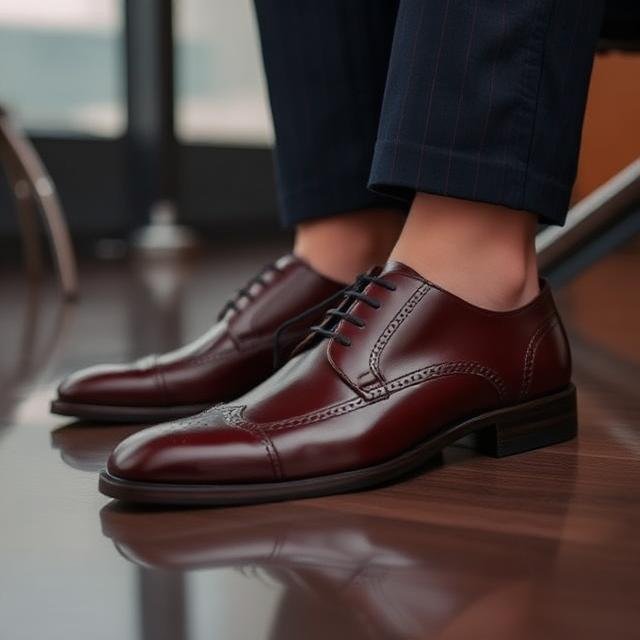
- Neutral colors like black, brown, tan, or dark burgundy
2. Comfort for Long Hours
- Cushioned insoles
- Good arch support
- Soft inner lining
3. Durable Construction
- Leather or high-quality synthetic material
- Strong sole for daily use
4. Slip Resistance
- Important for office floors and commuting safety
✔ Best types of office shoes:
1. Oxford Shoes
- Most formal and traditional office footwear
- Closed lacing system gives a sleek appearance
2. Derby Shoes
- Slightly less formal than Oxfords
- More comfortable for wider feet
3. Loafers
- Slip-on design for convenience
- Perfect for semi-formal office environments
4. Monk Strap Shoes
- Stylish buckle design
- Modern professional look
✔ Recommended office shoes:
- Clarks Tilden Cap Oxford Shoes – Comfortable and formal for office wear
- Allen Edmonds Park Avenue Oxford – Premium formal business shoe
- Hush Puppies Formal Derby Shoes – Comfortable for long office hours
- Cole Haan Pinch Penny Loafers – Classic semi-formal loafers
Final answer:
Oxford shoes and loafers are the best combination for most office professionals.
2. What Is the 3 Shoe Rule?
The 3 Shoe Rule is a simple wardrobe strategy that ensures you are always prepared for any situation without overbuying shoes.
✔ It includes three essential categories:
1. Formal Shoes
- Used for office, meetings, interviews
- Example: Oxfords, Derbies
2. Casual Shoes
- Used for daily wear, outings, travel
- Example: sneakers, loafers
3. Activity Shoes
- Used for gym, sports, walking, or rough use
- Example: running shoes, trainers
✔ Why the 3 shoe rule is important:
1. Saves Money
- You don’t need multiple unnecessary shoes
2. Improves Shoe Lifespan
- Rotation reduces wear and tear
3. Covers All Occasions
- Always have the right shoe for the right situation
4. Better Foot Health
- Different shoes support different activities
Simple idea:
Three good shoes are better than ten unused ones.
3. Which Formal Shoes Are Best for an Interview?
Interviews require a polished, confident, and professional appearance. Your shoes play a silent but powerful role in your first impression.
✔ Best features for interview shoes:
- Clean and polished finish
- Classic design (no flashy styles)
- Black or dark brown color
- Comfortable for walking and sitting long hours
✔ Best types of interview shoes:
1. Black Oxford Shoes
- Most professional and safest choice
- Works for almost all formal interviews
2. Brown Derby Shoes
- Slightly relaxed but still professional
- Good for business-casual interviews
3. Minimal Leather Loafers
- Good for modern startup interviews
- Comfortable and stylish
✔ Recommended interview shoes:
- Johnston & Murphy Oxford Shoes – Elegant and professional look
- Clarks Tilden Cap Oxford Shoes – Comfortable for long interviews
- Allen Edmonds Park Avenue Oxford – Premium executive choice
- Cole Haan Pinch Penny Loafers – Modern semi-formal interview option
Final tip:
For interviews, always choose simplicity over fashion trends.
4. Which Type of Formal Shoes Are Best?
The best formal shoes depend on your profession, comfort needs, and office dress code.
✔ Main types of formal shoes:
1. Oxford Shoes (Most Formal)
- Closed lace design
- Sharp and professional look
- Best for corporate and executive roles
2. Derby Shoes (Comfortable Formal)
- Open lace design
- More comfortable than Oxfords
- Suitable for long office hours
3. Loafers (Modern Formal)
- Slip-on design
- Ideal for semi-formal workplaces
- Popular in creative industries
4. Monk Strap Shoes (Stylish Formal)
- Buckle closure instead of laces
- Unique and fashionable
- Great for standing out professionally
✔ Best overall choices:
- Allen Edmonds Park Avenue Oxford – Best for executives
- Clarks Tilden Cap Oxford Shoes – Best for daily office comfort
- Hush Puppies Formal Derby Shoes – Best for long wear comfort
- Cole Haan Pinch Penny Loafers – Best semi-formal modern shoe
5. How to Choose the Right Office Shoes
✔ 1. Match Office Dress Code
- Corporate → Oxfords
- Business casual → loafers or derbies
- Creative offices → smart loafers or monk straps
✔ 2. Prioritize Comfort
- Cushioning is important for 8–10 hour wear
- Avoid tight fitting shoes
✔ 3. Choose Neutral Colors
- Black = most formal
- Brown = versatile
- Tan = casual formal blend
✔ 4. Invest in Quality
- Good shoes last longer and look better over time
6. Common Mistakes to Avoid
1. Wearing casual sneakers to formal office
2. Choosing flashy or heavily designed shoes
3. Ignoring comfort for style
4. Wearing worn-out or unpolished shoes
7. Simple Office Shoe Styling Guide
✔ Black shoes:
- Navy suit
- Grey formal trousers
- Black suits
✔ Brown shoes:
- Beige chinos
- Blue suits
- Earth-tone outfits
✔ Loafers:
- Business casual outfits
- Smart jeans (in relaxed offices)
Final Thoughts
The right formal shoes can instantly upgrade your professional image, boost confidence, and improve comfort during long office hours.
✔ Quick summary:
- Best office shoes: Oxfords, Derbies, Loafers
- 3 shoe rule: Formal + Casual + Activity shoes
- Best interview shoes: Black Oxford shoes
- Best formal type: Depends on office style, but Oxfords are the safest
Final takeaway:
Good formal shoes are not just part of your outfit—they are a statement of professionalism and confidence.