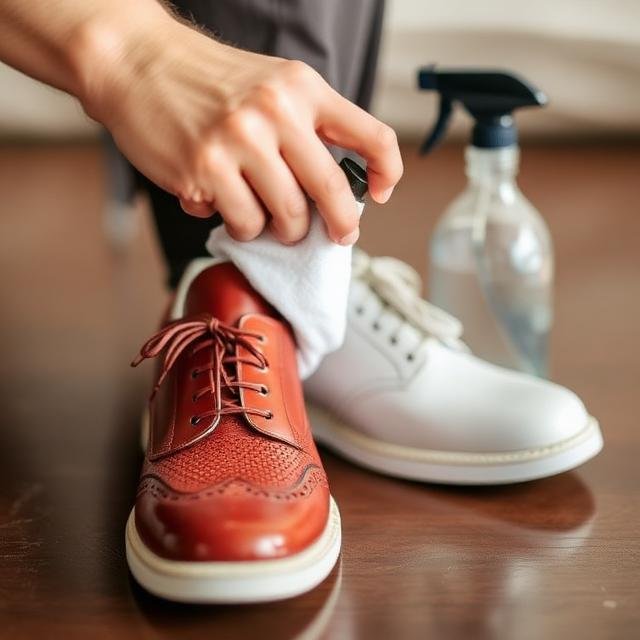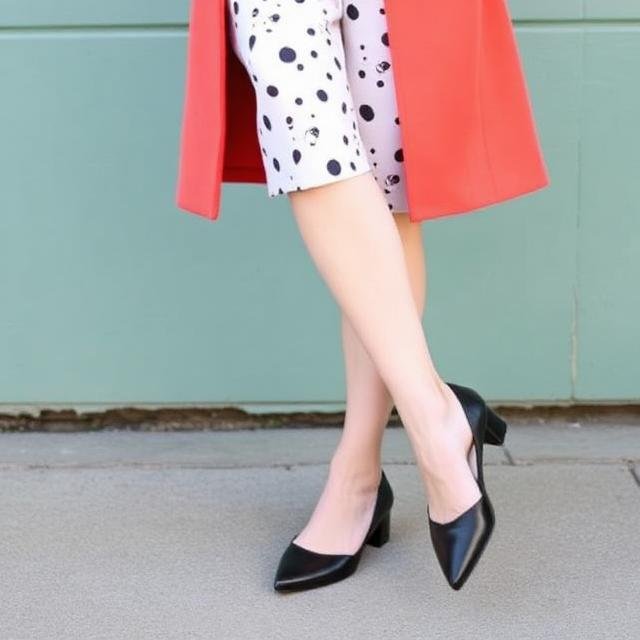
Shoes can completely change how an outfit looks. You can wear a simple outfit and make it look premium with the right footwear—or ruin a great outfit with the wrong pair. That’s why understanding how to choose shoes for outfits is a basic but powerful style skill.
In this detailed guide, we’ll break it down in a simple, point-to-point way and also answer important questions like:
- What is the 3 shoe rule?
- What is the 3 3 3 rule in dressing?
- How to pick the right shoe for you?
1. How to Choose Shoes for Outfits?
Choosing shoes is not random—it is about matching occasion, color, style, and comfort.
✔ Step-by-step guide:
1. Match the Occasion First
Before thinking about style, ask:
- Where am I going?
✔ Examples:
- Office → Formal shoes, loafers, minimal sneakers
- Casual outing → Sneakers, slip-ons
- Party → Stylish sneakers, boots, heels
- Travel → Comfortable walking shoes
Rule:
Occasion decides the category of shoe first.
2. Match Shoe Style with Outfit Type
✔ Formal outfits:
- Formal leather shoes
- Loafers
- Oxford shoes
✔ Casual outfits:
- Sneakers
- Slip-ons
- Canvas shoes
✔ Ethnic outfits:
- Mojaris
- Sandals
- Minimal leather slip-ons
3. Match Colors Smartly
✔ Safe combinations:
- Black shoes → black, grey, formal wear
- White sneakers → jeans, casual wear, streetwear
- Brown shoes → earthy tones, chinos, semi-formal outfits
Tip:
Neutral colors are always easier to style.
4. Balance the Outfit
If your outfit is:
- Loud or printed → wear simple shoes
- Simple outfit → you can try bold sneakers or statement shoes
5. Comfort is Non-Negotiable
Even the best-looking shoes are useless if they hurt your feet.
2. What is the 3 Shoe Rule?
The 3 Shoe Rule is a smart wardrobe strategy that helps you stay stylish and practical at the same time.
✔ It means owning 3 essential types of shoes:
1. Daily Wear Shoes
- Used for everyday walking and casual outings
- Example: sneakers or comfortable slip-ons
2. Formal Shoes
- Used for office, meetings, interviews
- Example: leather shoes, loafers
3. Activity/Travel Shoes
- Used for gym, sports, long travel, or rough use
- Example: running shoes, trainers
✔ Why it works:
- Covers all lifestyle situations
- Prevents overusing one pair
- Helps maintain shoe hygiene
- Improves outfit styling flexibility
Simple idea:
You don’t need many shoes—just the right 3 types.
3. What is the 3 3 3 Rule in Dressing?
The 3 3 3 rule in dressing is a minimalist fashion approach that helps you simplify your wardrobe while staying stylish.
✔ It means:
3 Tops
- Shirts, T-shirts, blouses
3 Bottoms
- Jeans, trousers, skirts
3 Pairs of Shoes
- Casual, formal, and activity shoes
✔ How it helps:
1. Simplifies decision-making
- Less confusion every morning
2. Saves money
- Focus on quality, not quantity
3. Improves styling
- Forces better outfit combinations
✔ Example of 3 3 3 wardrobe:
Tops:
- White shirt
- Black T-shirt
- Casual printed shirt
Bottoms:
- Blue jeans
- Black trousers
- Chinos
Shoes:
- White sneakers
- Black formal shoes
- Running shoes
Result:
You can create multiple stylish outfits with fewer items.
4. How to Pick the Right Shoe for You?
Choosing the right shoe is personal—it depends on your foot shape, lifestyle, and comfort needs.
✔ Step-by-step guide:
1. Understand Your Foot Type
✔ Flat feet:
- Need arch support shoes
- Stability sneakers work best
✔ High arch:
- Need cushioned shoes
- Soft sole is important
✔ Normal arch:
- Most shoe types will suit you
2. Identify Your Lifestyle
Ask:
- Am I walking a lot?
- Do I sit most of the day?
- Do I travel often?
✔ Examples:
- Active lifestyle → running shoes, sneakers
- Office lifestyle → formal shoes + comfortable loafers
- Travel lifestyle → cushioned walking shoes
3. Choose Based on Comfort First
Comfort factors:
- Cushioning
- Weight of shoe
- Breathability
- Fit (not too tight or loose)
4. Try Before You Buy (if possible)
Check:
- Toe space (should not be tight)
- Heel grip (should not slip)
- Walking comfort
5. Match Shoes With Wardrobe
Ask:
- Does this shoe match at least 3 outfits?
If yes → good purchase
If no → rethink choice
5. Common Mistakes People Make When Choosing Shoes
1. Choosing only based on looks
Style matters, but comfort matters more.
2. Ignoring outfit coordination
Shoes should match at least part of your wardrobe.
3. Buying wrong size
Even half-size mismatch can cause discomfort.
4. Wearing one shoe for everything
This reduces shoe life and causes foot strain.
6. Simple Shoe Matching Guide for Outfits
✔ Jeans outfit:
- White sneakers
- Casual loafers
✔ Formal outfit:
- Black/brown leather shoes
- Minimal dress shoes
✔ Summer outfit:
- Light sneakers
- Slip-ons
- Sandals
✔ Winter outfit:
- Boots
- High-top sneakers
7. Smart Shoe Styling Tips
✔ 1. White sneakers = universal match
They go with almost everything casual.
✔ 2. Black shoes = formal strength
Best for professional and evening wear.
✔ 3. Brown shoes = stylish flexibility
Great for semi-formal outfits.
✔ 4. Minimal design = modern look
Less branding = more premium appearance.
Final Thoughts
Choosing the right shoes for your outfit is a mix of style awareness, comfort understanding, and smart wardrobe planning.
✔ Quick recap:
- Learn how to choose shoes for outfits by matching occasion, color, and balance
- Follow the 3 shoe rule: Daily + Formal + Activity shoes
- Use the 3 3 3 rule in dressing for a minimalist wardrobe
- Pick shoes based on foot type, lifestyle, and comfort first
Final takeaway:
Good shoes don’t just complete your outfit—they define your overall style and confidence.